
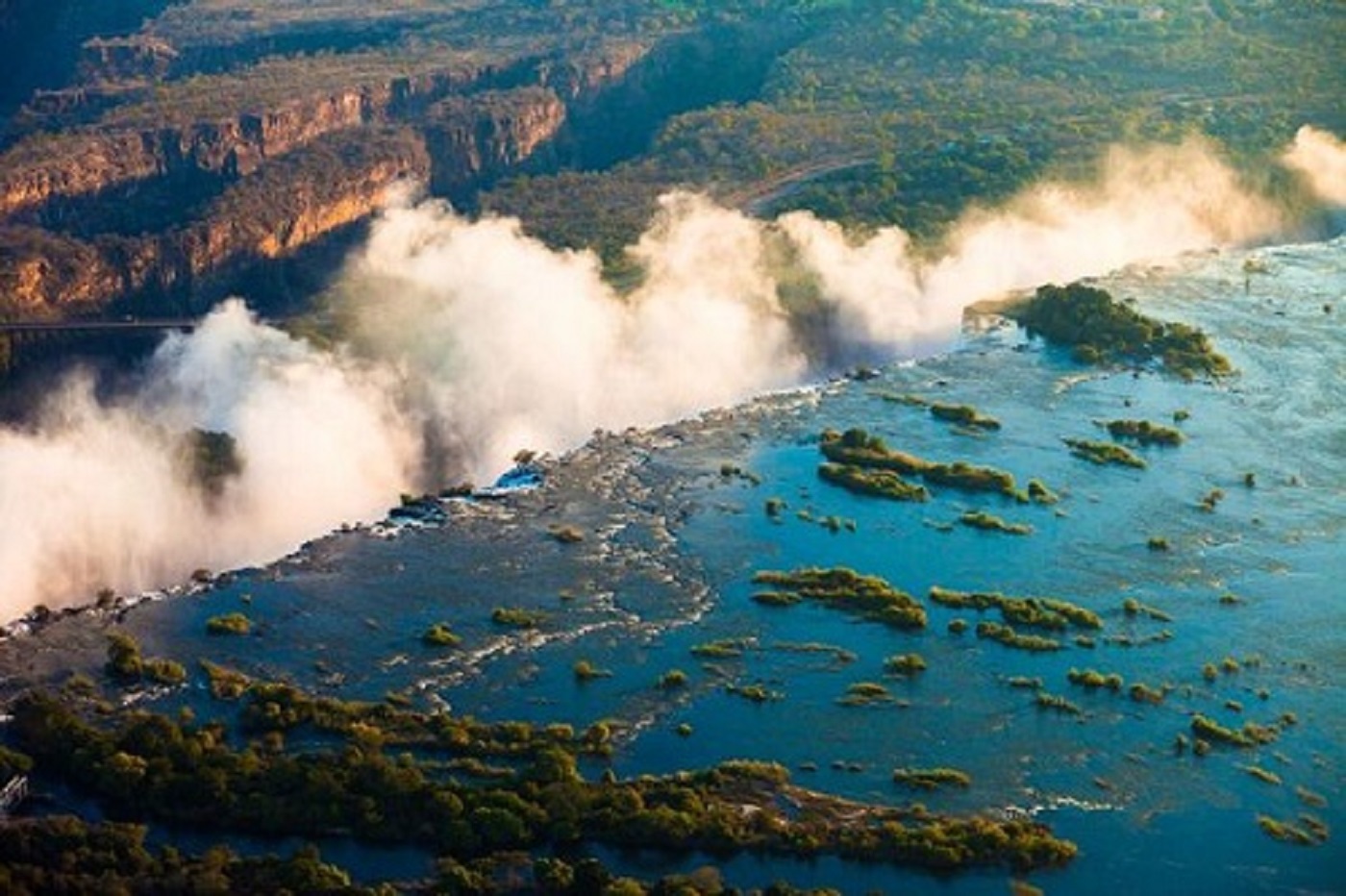
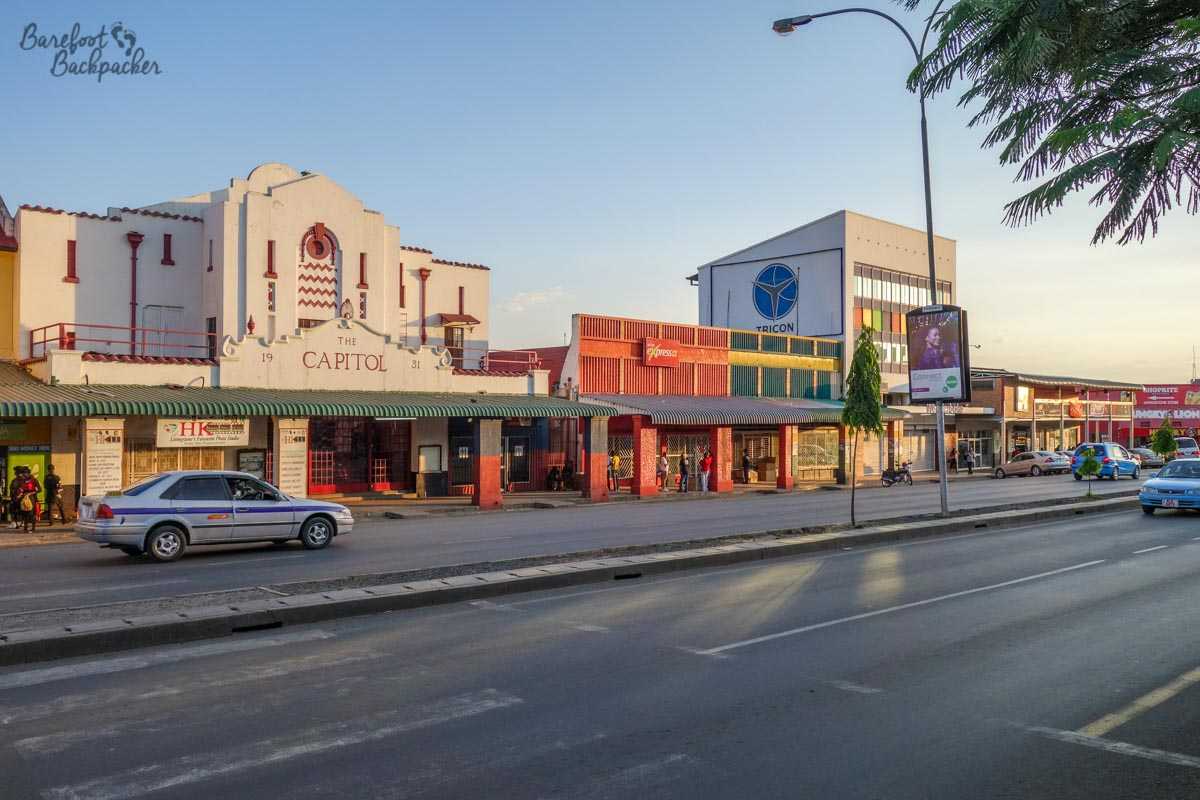

Livingstone is more than just a tourist town—it is the historic heart of Zambia’s tourism industry and one of Southern Africa’s most culturally significant destinations. Nestled along the mighty Zambezi River and just minutes from the iconic Victoria Falls, Livingstone offers visitors a fascinating blend of colonial history, African heritage, and modern adventure.
Origins Before Colonial Rule
Long before European explorers arrived, the area now known as Livingstone was inhabited by local Tonga and Leya communities. These early settlers relied on the Zambezi River for fishing, farming, and trade, and the river played a central role in their spiritual and cultural life. The famous Victoria Falls was known locally as Mosi-oa-Tunya, meaning “The Smoke That Thunders”—a name that perfectly captures the power and majesty of the waterfall.
David Livingstone and the Birth of a Town
In 1855, Scottish missionary and explorer Dr. David Livingstone became the first European to document Victoria Falls. He named the waterfall in honor of Queen Victoria, bringing international attention to the region. Although David Livingstone never founded the town himself, his explorations laid the foundation for its development.
The town of Livingstone was officially established in 1905, initially serving as the capital of Northern Rhodesia (modern-day Zambia). Its strategic location made it an administrative, commercial, and transport hub during the colonial era.
Livingstone During the Railway and Colonial Era
The construction of the Victoria Falls Bridge in 1905 was a turning point in Livingstone’s history. The bridge connected Zambia and Zimbabwe and formed part of Cecil Rhodes’ ambitious Cape-to-Cairo railway vision. As railways expanded, Livingstone grew rapidly, attracting traders, settlers, and administrators.
During this period, the town developed classic colonial architecture, some of which can still be seen today at historic sites such as:
- The Livingstone Museum
- The old Railway Station
- Colonial-era residences and government buildings
Post-Independence and Modern Livingstone
After Zambia gained independence in 1964, Livingstone gradually transformed from a colonial administrative center into a tourism-focused city. Today, it is widely regarded as Zambia’s tourism capital, welcoming travelers from around the world.
Modern Livingstone blends its rich history with vibrant local culture, bustling markets, traditional villages, and world-class adventure activities such as river cruises, wildlife safaris, and cultural tours.
Why a Livingstone City Tour Is a Must
A guided Livingstone City Tour offers visitors the opportunity to:
- Explore the Livingstone Museum, Zambia’s oldest and largest museum
- Visit historic colonial landmarks
- Learn about local traditions and daily life
- Understand the city’s role in Zambia’s past and present
- Experience authentic Zambian culture beyond the Victoria Falls
Whether you are a history enthusiast or a first-time visitor, a city tour provides essential context that enriches every other experience in Livingstone.
Discover Livingstone with Gift Tours and Safaris
At Gift Tours and Safaris, our Livingstone City Tours are led by knowledgeable local guides who bring the city’s history to life through storytelling, cultural insight, and firsthand experience. We tailor each tour to your interests, ensuring a meaningful and memorable introduction to Zambia’s most historic city.
📩 Plan your Livingstone City Tour with us today